A Mother’s Voice on Radio Sparks Change
In the parched lands of Tana River County, Eastern Kenya, silence had become the women’s burden. Day after day, mothers rose before dawn, walking miles under a punishing sun to fetch water from distant, unreliable sources. Each step carried exhaustion, each jerrican drained their strength, and each journey stole time from their families and livelihoods.
But one day, their cry was carried beyond the dusty paths of Vidaduni.
When Vox Radio aired Kilio cha Mama Vidaduni (a mother’s cry at Vidadundi) on its Nyakati za Mabadiliko (Times of Change) programme, it was more than a broadcast — it was a lifeline. For the first time, the voices of women who had endured drought and scarcity were amplified, their pain resonating far beyond their village.
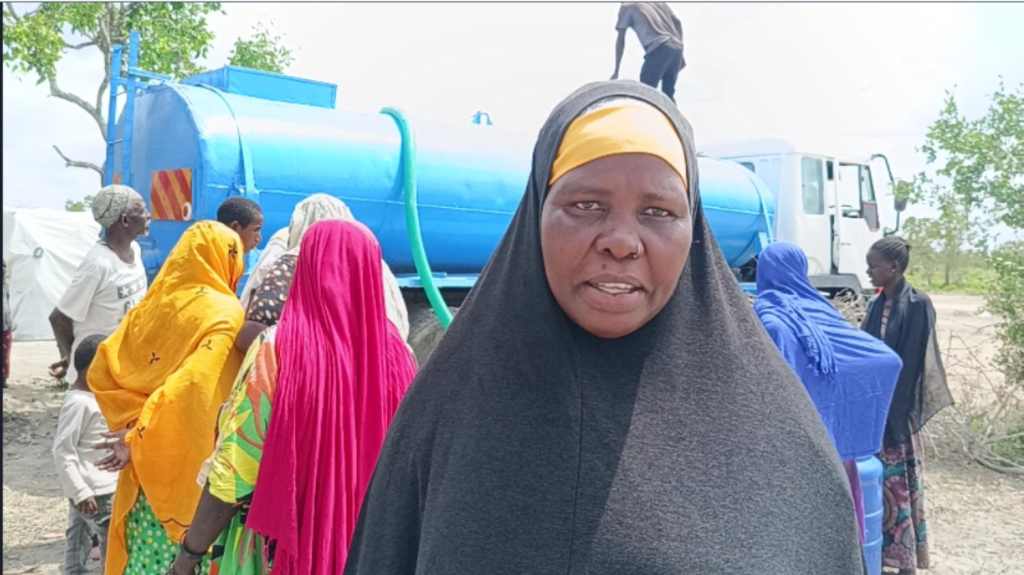
“We thank Vox Radio for listening to us and sharing our pain. Because of the story you aired, our voices were heard beyond our village. Today, we have water,” said Mwanahamisi Said Haji, her relief palpable.
The ripple effect was immediate. A good Samaritan, moved by the broadcast, donated a 10,000-litre water bowser. For families who had endured months of thirst, the sight of water flowing into their containers was more than relief — it was dignity restored.
Yet the women of Vidaduni did not stop at gratitude. They turned compassion into sustainability.
“We agreed to sell the water at ten shillings per jerrican so that we can refill the bowser when it runs out. This way, we are able to sustain the support and ensure that everyone continues to access water,” explained Mariam Igwo, underscoring the community’s resolve to manage their gift responsibly.
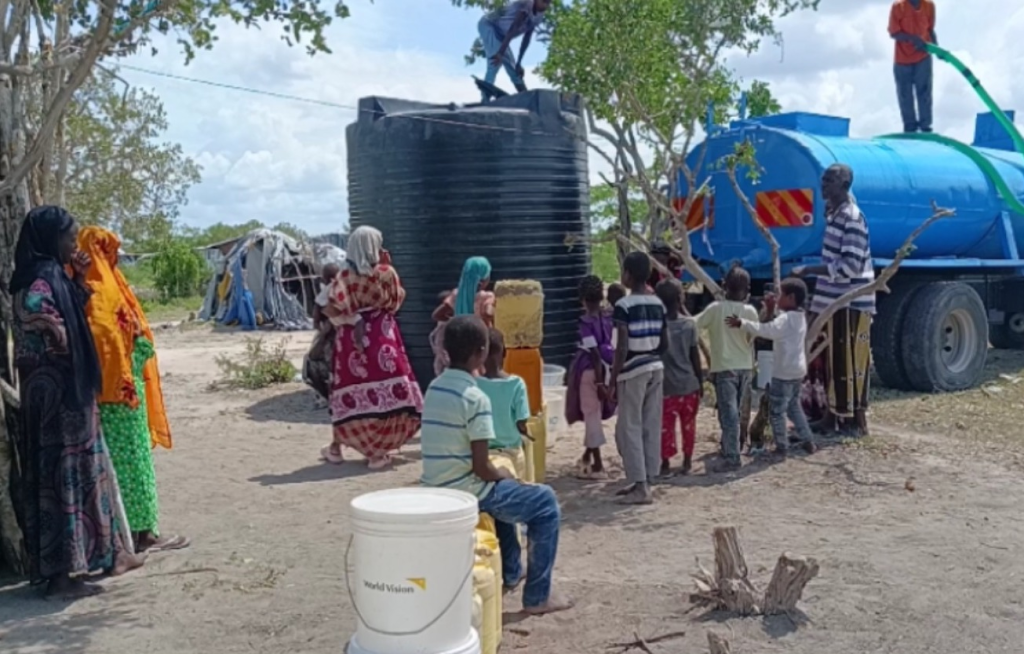
The bowser became more than a tank; it became a symbol of resilience, of women refusing to be passive victims of drought. It showed that when communities are given a platform to speak, they can transform vulnerability into collective responsibility.
For the women of Vidaduni, water now represents more than survival. It is proof that their voices matter, that dignity can be reclaimed, and that change begins when someone listens.
Radio did not just tell their story — it helped rewrite it.
*Maureen Buya is the Vox Radio station manager and Kulah Nzomo a programme producer
Vox Radio was set up by Amplifying Voices in 2017 as a peace building initiative in partnership with the Amani Centre