The water was already there
In summer 2025, the Bright Home team in Sargodha, Pakistan, began to hear more and more people telling them that they wanted to be able to access clean water in the village. The first reaction was to explore how to provide a new water source. But after a bit more listening, community voices revealed that the water was already there – they just needed someone in authority to hear their voices and restore the water supply to its original condition.
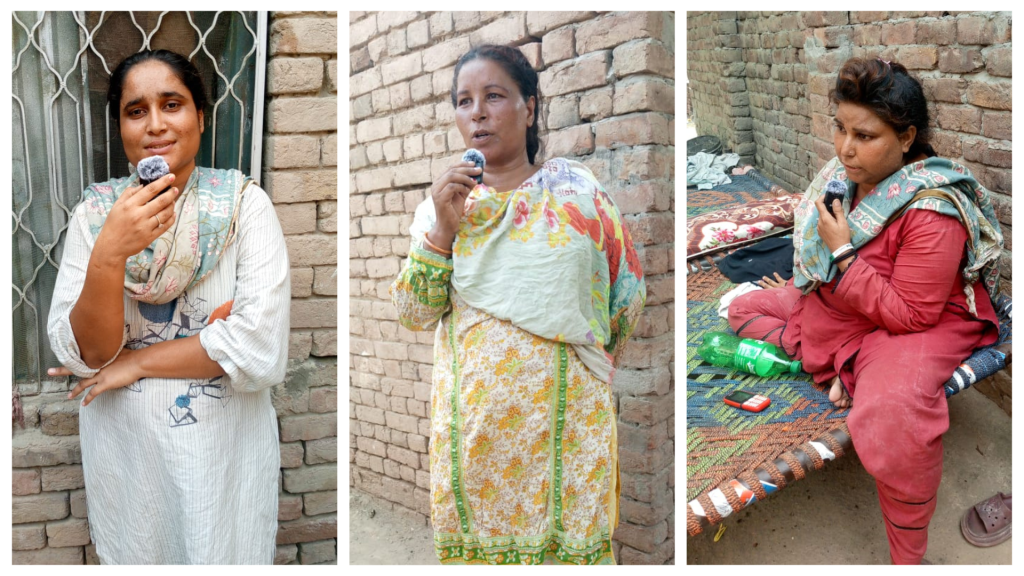
Over the previous two years, Rimshah, a trained community health worker, has been visiting homes and learning from local women about their health concerns. She has been advising families about the importance of hygiene for preventing disease and other health problems. A major challenge for families to do all the good things they were learning has been a lack of access to clean water.
The Bright Home team knew this was a major threat to public health. In partnership with Amplifying Voices Pakistan, they set about surveying options for drilling a new borehole. But another process was also underway which meant a borehole would not be needed after all…
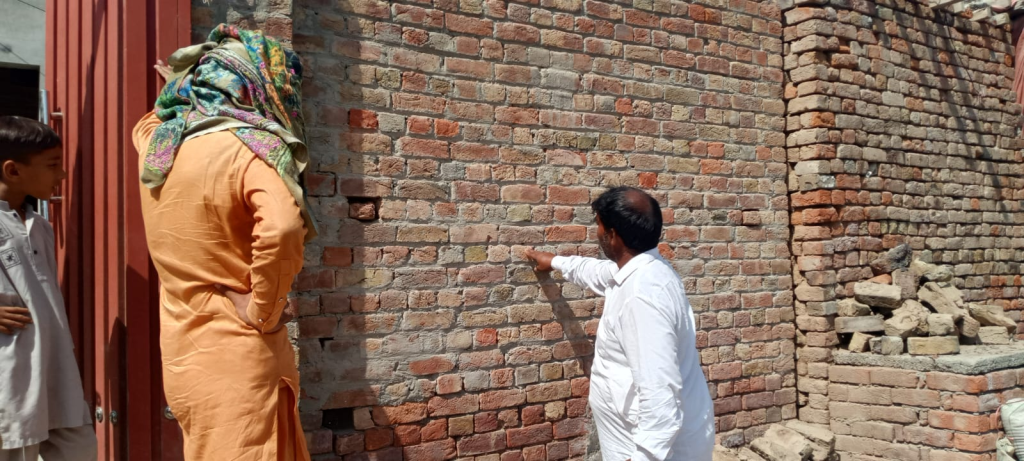
Alongside the surveying process, Bright Home aired radio programmes created with women from the village discussing the water issue. In exploring questions such as “how long has the community been without clean water?”, the radio programmes revealed that the community used to have clean water because the government had installed a water filtration plant to supply the village. After installation, there had been no further involvement from the authorities and over time the filter system had broken down and stopped working, forcing people to fetch water from unclean sources.
This is a common trap. Well-meaning people make one-off investments to provide something that communities need. However, the benefit is short-lived if there is no corresponding investment in making the provision sustainable.
Fortunately, the Bright Home (Roshan Ghar in Punjabi) radio programmes are well produced with highly relevant content, and they are popular. Local authority officials were listening. They realised that this story reflected badly on them and got in touch with the villagers. Within a month, the authorities had renovated the filtration plant and got clean water flowing again into the village.
There was no need for a borehole on this occasion – simply for the community voices to be given a chance to speak up on a public platform and for others to hear their concerns. In our community-centred media workshops we talk about advocacy as one of the 5 tasks of media. Community-centred advocacy goes beyond providing health and hygiene solutions for today. It helps communities tackle deeper issues such as restoring dignity and obtaining justice for the future.