Asia
Browse the following articles to learn more about our partners in Asia and their communities.
Protecting India’s Adivasi communities during the second wave
By Jon Hargreaves |
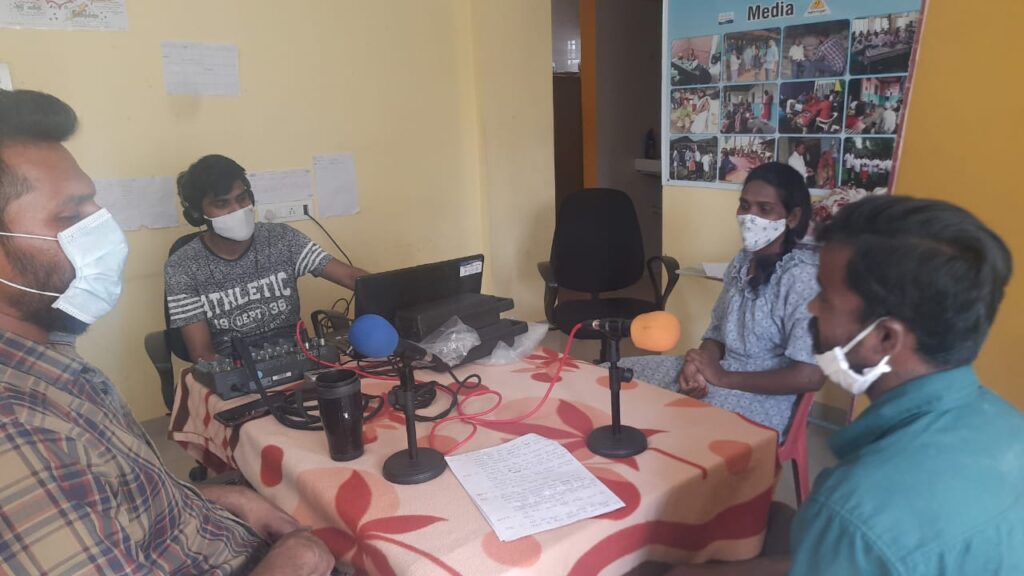
As the Indian health system buckles under the strain of a Corona virus surge that has eclipsed anywhere else in the world, our partners in Maharashtra say the pandemic is now rapidly impacting remote Adivasi (indigenous) communities. Adivasi Voices Project leader, Shilpa says that while the pandemic has greatly affected the livelihoods of tribal people,…
“You’ve given us the gift of life!”
By Jon Hargreaves |
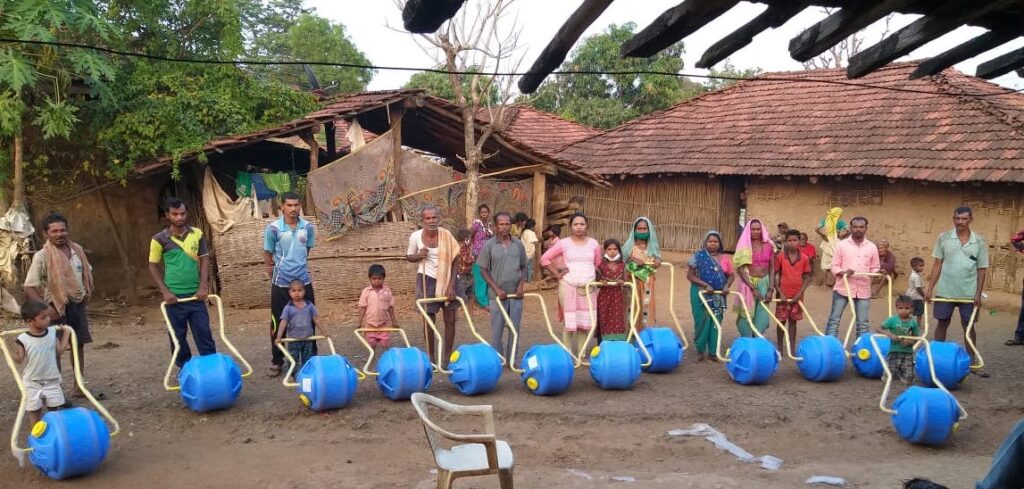
As far back as she can remember, Sunita has been collecting water for her family. Instead of playing as a carefree child, she had to walk to the river, fill up large vessels, and carry them back to the small Maharashtran village of Kobada, India. This arduous task would become one of her lifetime duties.…
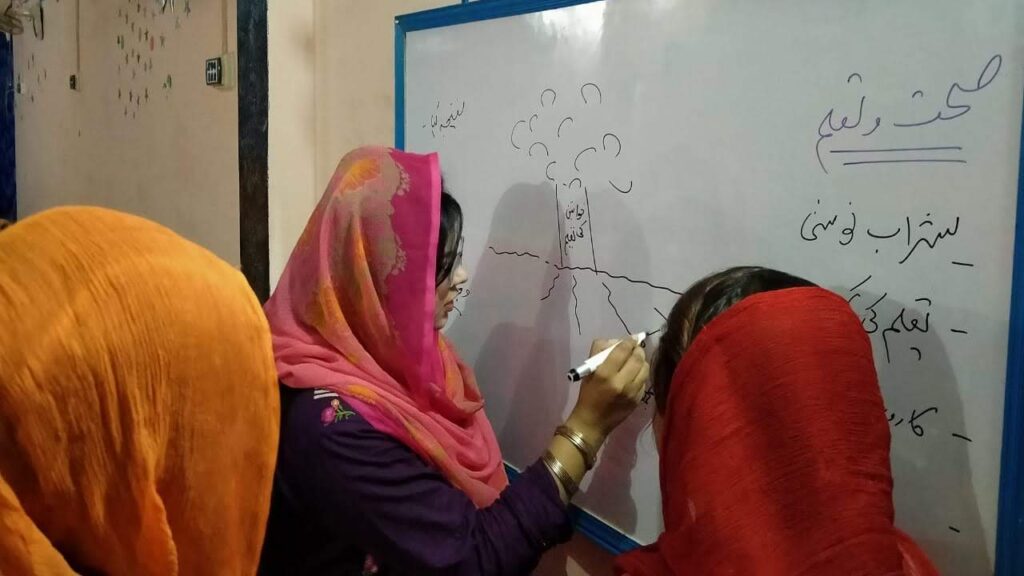
Women’s health workshop held in Pakistan
By Johnny Fisher and Hazeen Latif |
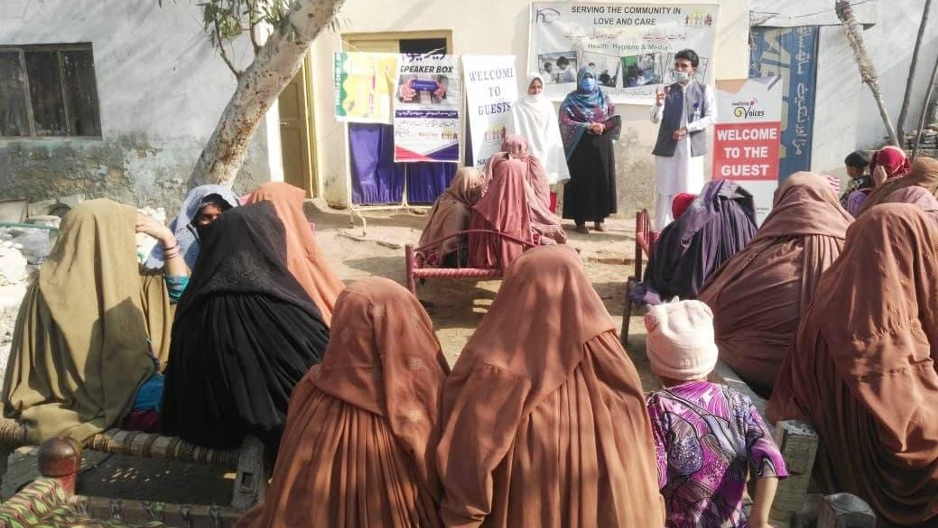
Amplifying Voices partner in Pakistan recently hosted a workshop for women to learn more about health and hygiene. It was a great opportunity to give some hands-on help, so after the event the women received free check-ups from health workers and medicines were provided through Amplifying Voices Pakistan. The local partner based in the Khyber…
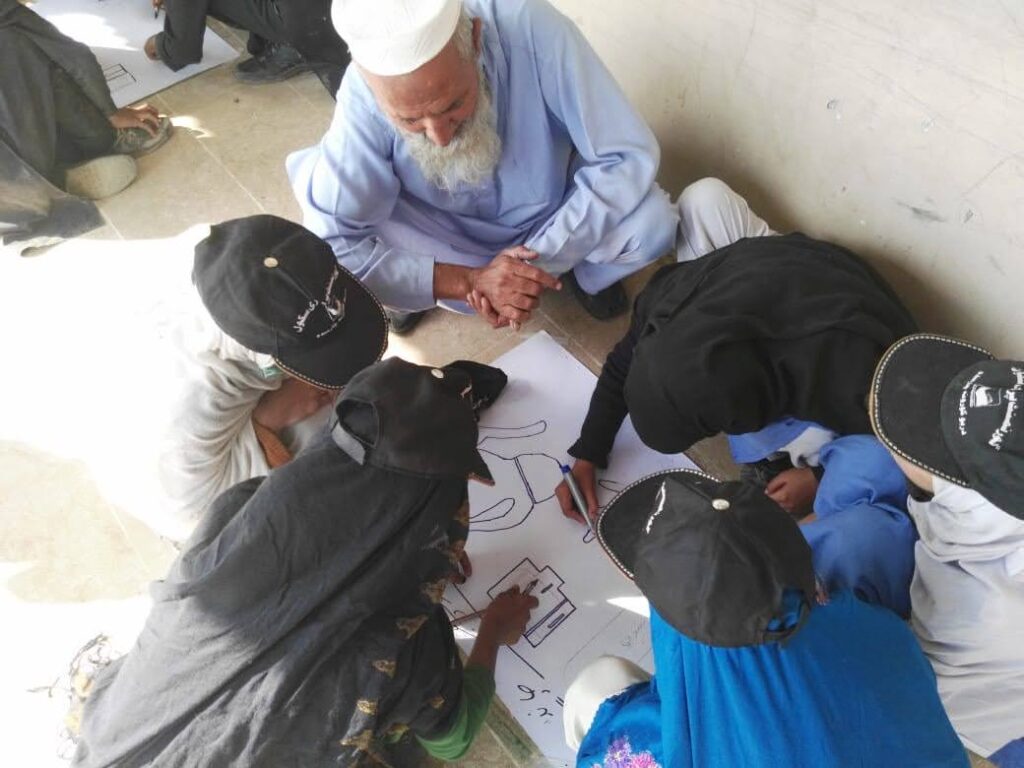
Media for the children by the children
By Johnny Fisher and Hazeen Latif |
A couple of weeks ago HCR Pakistan held a competition in a village primary school near Charsadda. The competition got children thinking about sickness and how to prevent it – especially Covid-19. It was community-centred media – but not as we know it
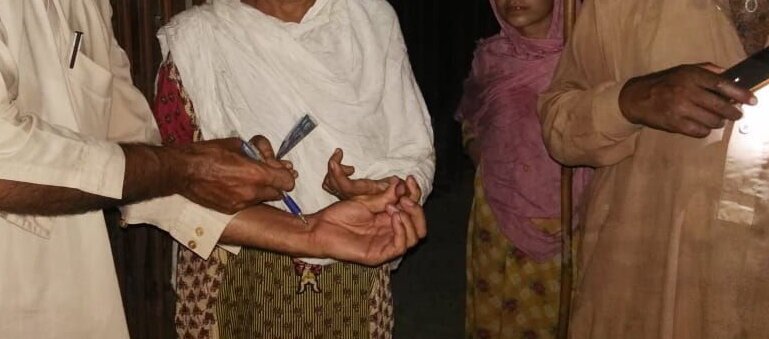
Stories that move mountains
By Johnny Fisher and Hazeen Latif |
Community-centred media helps people facing disadvantage or injustice to speak out and be heard by those in positions of power. Local stories are powerful, as HCR Pakistan’s partner, New Dawn, saw recently when responding to a scam that was hurting low income families. A few years ago in Pakistan, the government started to roll out…
World changers in a small town
By Johnny Fisher and Hazeen Latif |
In a world suffering from too many strong people using their strength to enforce their will on others, its really exciting to find this Pakistani youth group who are using their strengths to listen to their community. These young people from a church in the small city of Jauharabad said they had felt despair about…
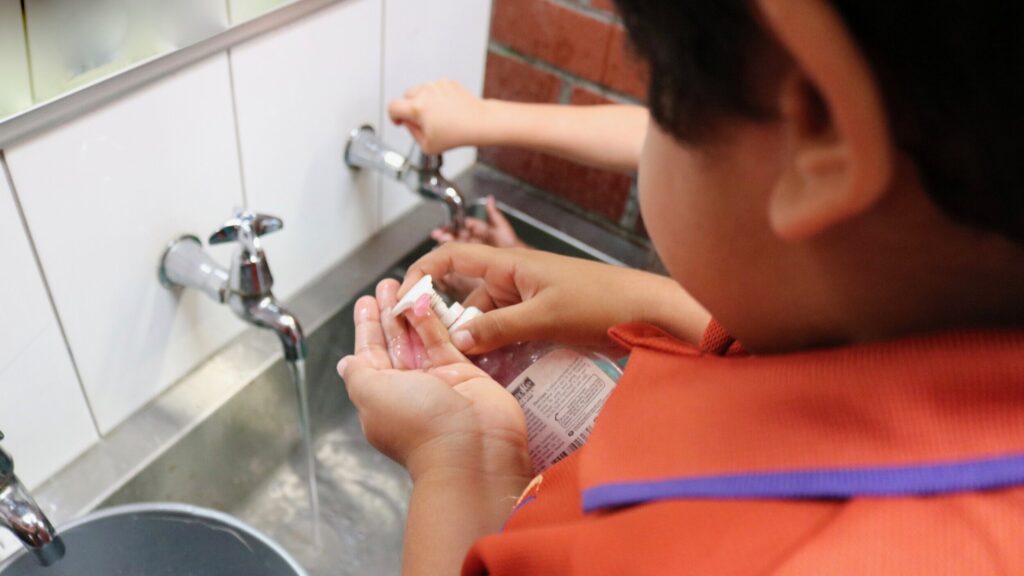
Localising the international response to Coronavirus
By Amplifying Voices |
In a health crisis, fear can spread faster than a virus, and with that, the potential for hatred and violence. Clear, actionable and trustworthy communication is essential to combat this. It is also essential for service providers and government officials to listen. What have people actually heard and understood from the health messages? What are…

It can’t be done!
By Johnny Fisher and Hazeen Latif |
It can’t be done! How often do you hear this said? What does it stir up in you? Disappointment? Or determination? “It can’t be done” is a phrase the New Dawn community services group won’t accept! They’ve heard it said that local women can’t talk on the media about topics that are considered shameful in…
The Next Ten
By Jon Hargreaves |
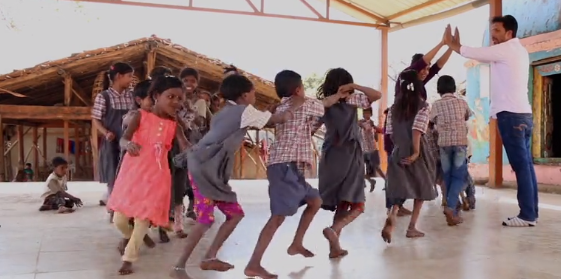
Eighteen months ago, Nanda could not read or write – today she regularly reads stories to her parents! The ADIVASI VOICES PROJECT is changing the lives of Nanda and others in her remote tribal community in Maharashtra, India. Her teacher says, “Thanks to the project there is now 100% school attendance and there are more girls in school than boys. You have helped parents see the value of education.”
Sunda Sar (Skull of a bull)
By Johnny Fisher and Hazeen Latif |
Whatever we asked, the reply was: “no, we do not have it”, “no one listens to us”, “no one comes to us” or “no one is willing to help us”.
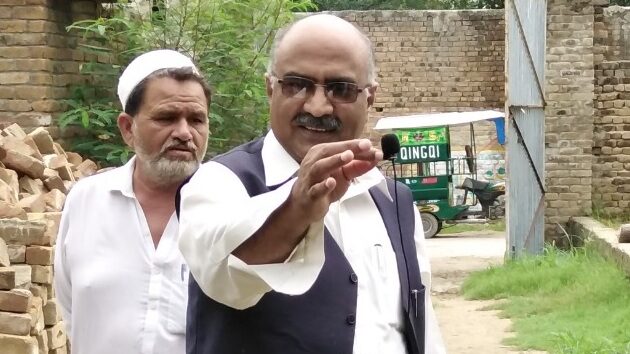
A community leader told HCR’s Hazeen Latif, “we are 3000 houses and an estimated population of 15000 including children and elderly people there is not a single BHU (basic health unit) or even some private clinic. There is no public dispensary. The list goes on and on. This is “Sunda Sar” or “skull of bull” meaning a place of prosperity and power.